When We Think of Nuclear Energy, This Night Must Be on Top of Our Mind
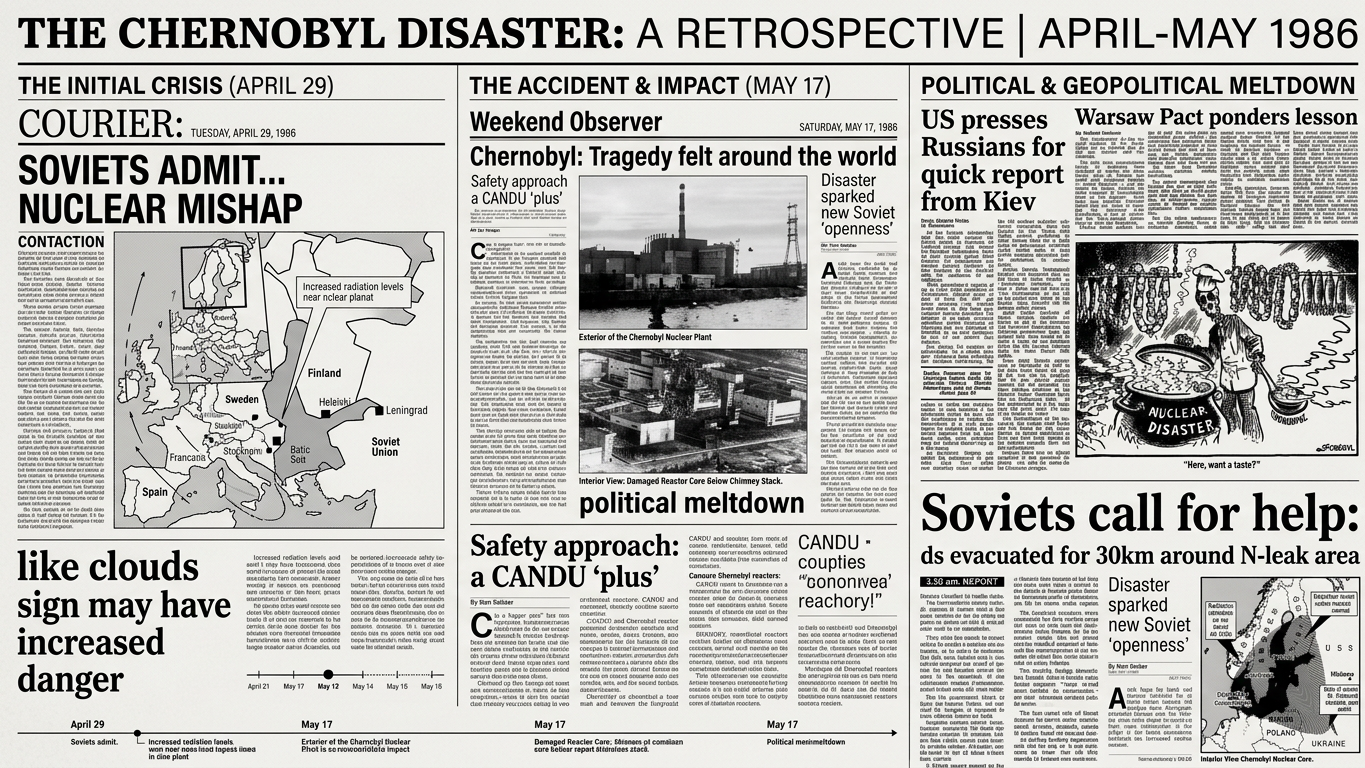
As midnight faded into the early hours of April 26, 1986, the world unknowingly stepped into one of the darkest chapters in human history. At Reactor No. 4 of the Chernobyl Nuclear Power Plant, a catastrophic explosion shattered the silence—an event triggered by a combination of human error, flawed procedures, and systemic negligence. What followed was not just a technical failure, but a tragedy that exposed the fragile boundary between human ambition and responsibility.
More than four decades later, the memory of Chernobyl disaster still lingers—not only in history books, but in the soil, air, and lives it touched. Entire communities were uprooted. Within just 36 hours, the nearby city of Pripyat was evacuated, leaving behind a haunting landscape frozen in time. Today, nature has reclaimed much of it, yet the eerie presence of radiation remains. Stories—even of strangely altered wildlife—continue to remind us that the consequences of that night are far from over.
When we reflect on nuclear history—from the devastation of Atomic bombings of Hiroshima and Nagasaki to accidents like Chernobyl—we are forced to confront an uncomfortable question: what have we truly gained? Scientific advancement has brought immense power into human hands, but it has also magnified the risks of misjudgment, conflict, and arrogance.
In a world still shadowed by geopolitical tensions, the threat of nuclear weapons persists. Nations continue to invest in destructive capabilities, often driven by political rivalry and ideological divides. Yet history has already shown us the cost—measured not just in lives lost, but in generations affected.
Energy is essential for progress, and nuclear power, when responsibly managed, can be a powerful resource. But nuclear weapons—and the careless handling of nuclear technology—offer no solution to humanity’s challenges. They only deepen them.
The legacy of that April night stands as a stark warning. Even today, traces of radiation from the 1986 disaster continue to affect parts of Europe. It is a reminder that some mistakes do not fade with time—they endure.
As we move forward, the lesson is clear: progress without responsibility is dangerous. And when we think of nuclear energy, this night must always remain at the forefront of our collective memory—not as history alone, but as a caution for the future.