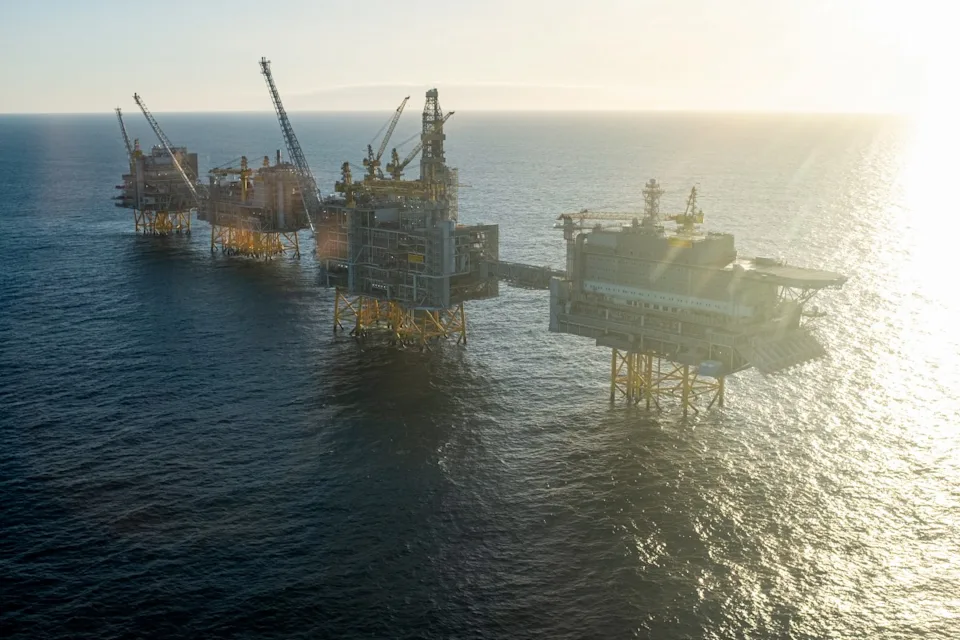
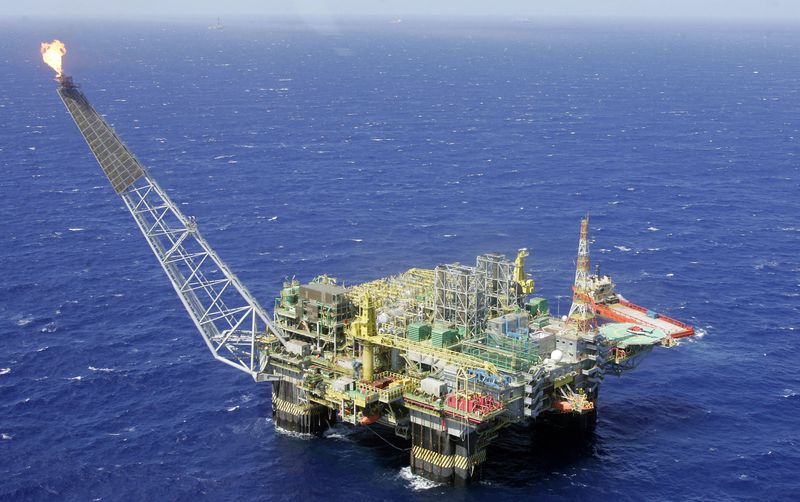
Brent crude rose above $100 a barrel on Wednesday as a fresh wave of attacks across the region intensified concerns about the security of Gulf energy supplies.
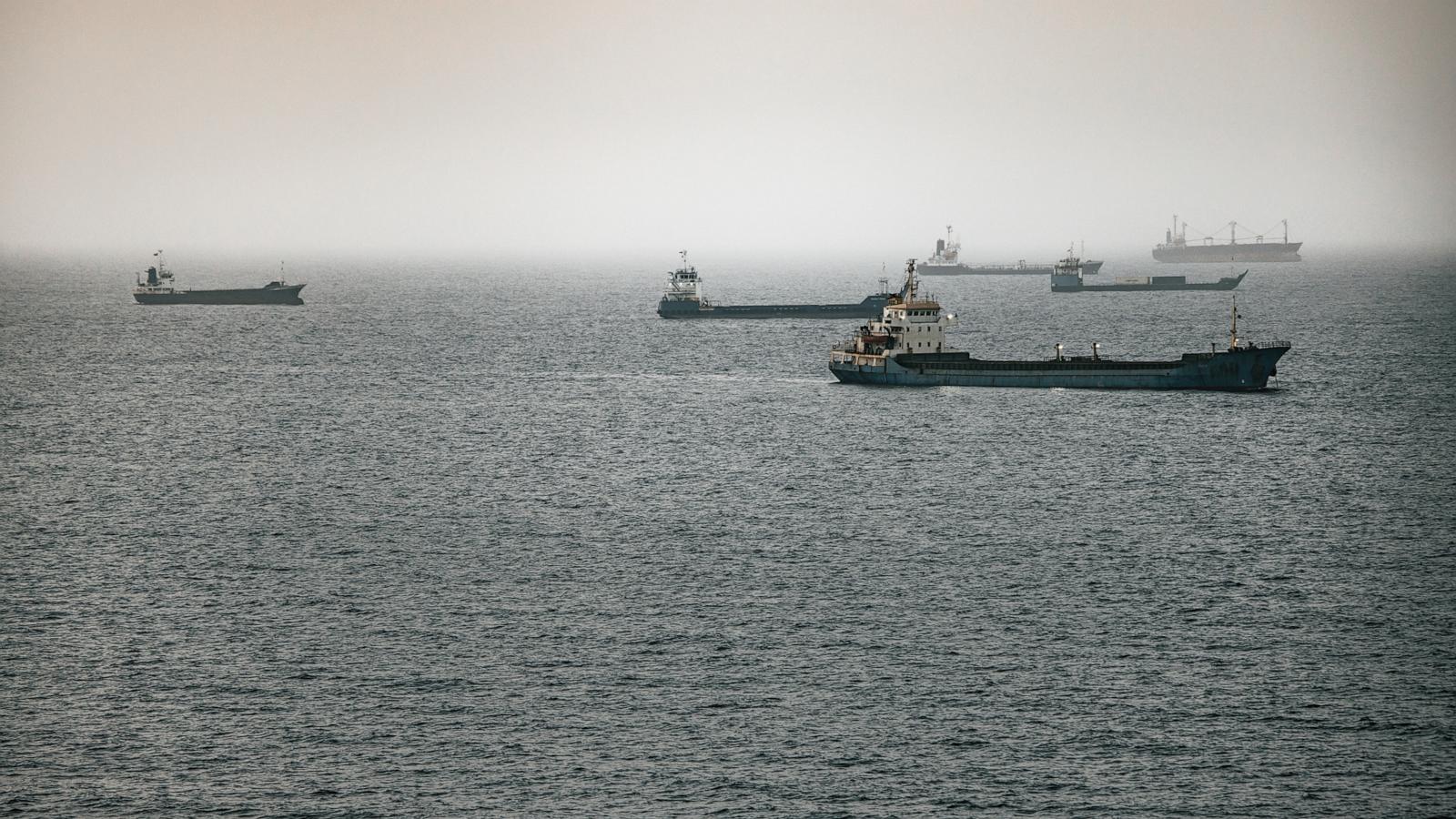
The latest jump came after Iran-backed Houthi forces attacked Saudi cities and energy infrastructure, while the United States and Iran exchanged further strikes involving oil tankers and maritime targets.
Brent futures rose by more than 2% to around $100.07 a barrel in early trading, according to Reuters.
The price move matters well beyond the oil industry. The Gulf supplies a significant share of the world’s energy, and prolonged disruption could increase fuel, freight and insurance costs across international markets.
Gulf stock markets reflected the uncertainty. Saudi Arabia’s benchmark index edged higher, while Dubai and Qatar declined. Abu Dhabi was slightly positive.
For the GCC, higher oil prices offer a mixed picture. Energy exporters can benefit from stronger crude revenues, but a prolonged security crisis could increase the cost of shipping, imports and business operations.
For residents, the question will be whether the current rise in energy and transport costs eventually feeds through into airfares, delivery charges, food prices and other household expenses.