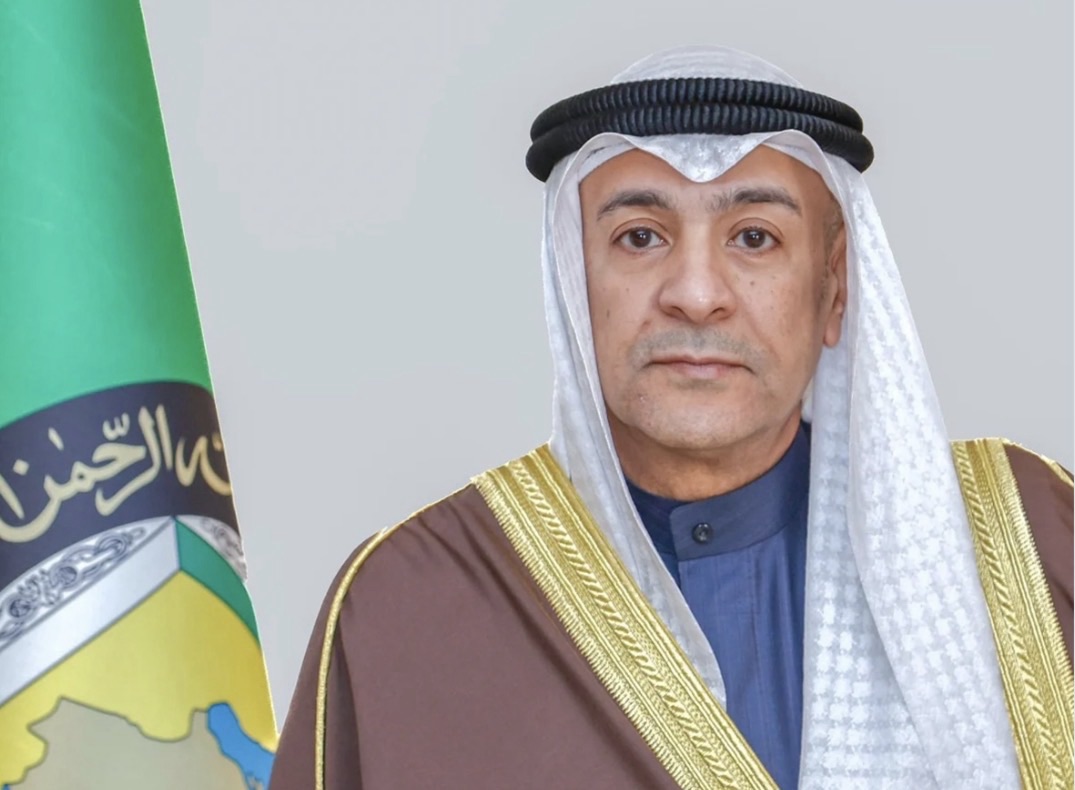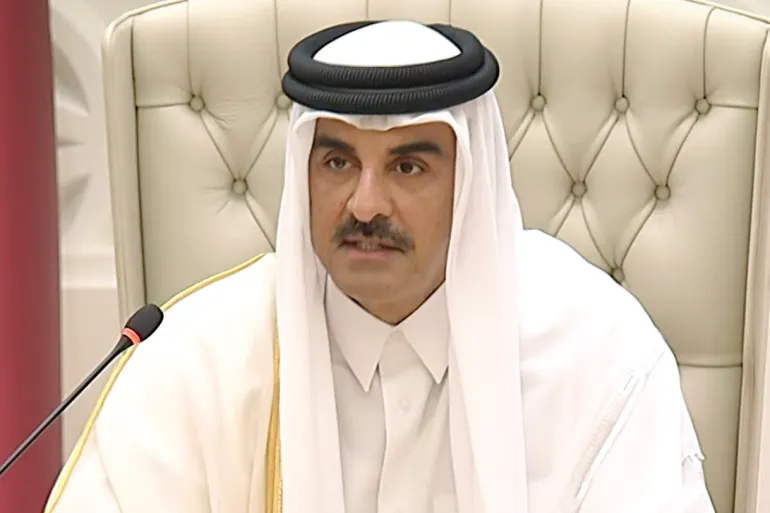
JEDDAH – Following the 19th Consultative Meeting of the Gulf Cooperation Council (GCC) in Jeddah, Secretary General Jasem Mohamed Albudaiwi issued a statement detailing the bloc’s response to recent regional escalations.
Key highlights from the session include:
- Security & Defense: Leaders condemned “blatant” attacks on civilian infrastructure in GCC states and Jordan. They reaffirmed that GCC security is “indivisible,” invoking the Joint Defence Agreement which views an attack on one member as an attack on all.
- Maritime Navigation: The Council categorically rejected the closure of the Strait of Hormuz and the imposition of transit fees, demanding a return to pre-February 2026 conditions to ensure freedom of global navigation.
- Infrastructure & Integration: Directives were issued to expedite major joint projects, including the GCC Railway, a regional oil and gas pipeline, and a water interconnection network.
- Military Readiness: The summit emphasized accelerating the completion of a unified early warning system against ballistic missiles and intensifying military integration.
Leaders also praised the “professionalism” of regional armed forces in intercepting recent drone and missile threats and noted the rapid rehabilitation of energy facilities damaged during the conflict.
Read the full official statement here: GCC Media Center – April 28 Statement