Gulf stock markets struggled for momentum on Tuesday as investors assessed the latest escalation between the United States and Iran and the Houthi attacks that injured 73 people in Saudi Arabia.
Saudi Arabia’s benchmark index fell 0.3 per cent, while Qatar’s index gained 0.3 per cent. Dubai and Abu Dhabi were both up around 0.3 per cent, according to Reuters.
The relatively limited market moves suggest investors are still trying to assess whether the latest escalation will develop into a longer disruption to Gulf trade and energy flows.
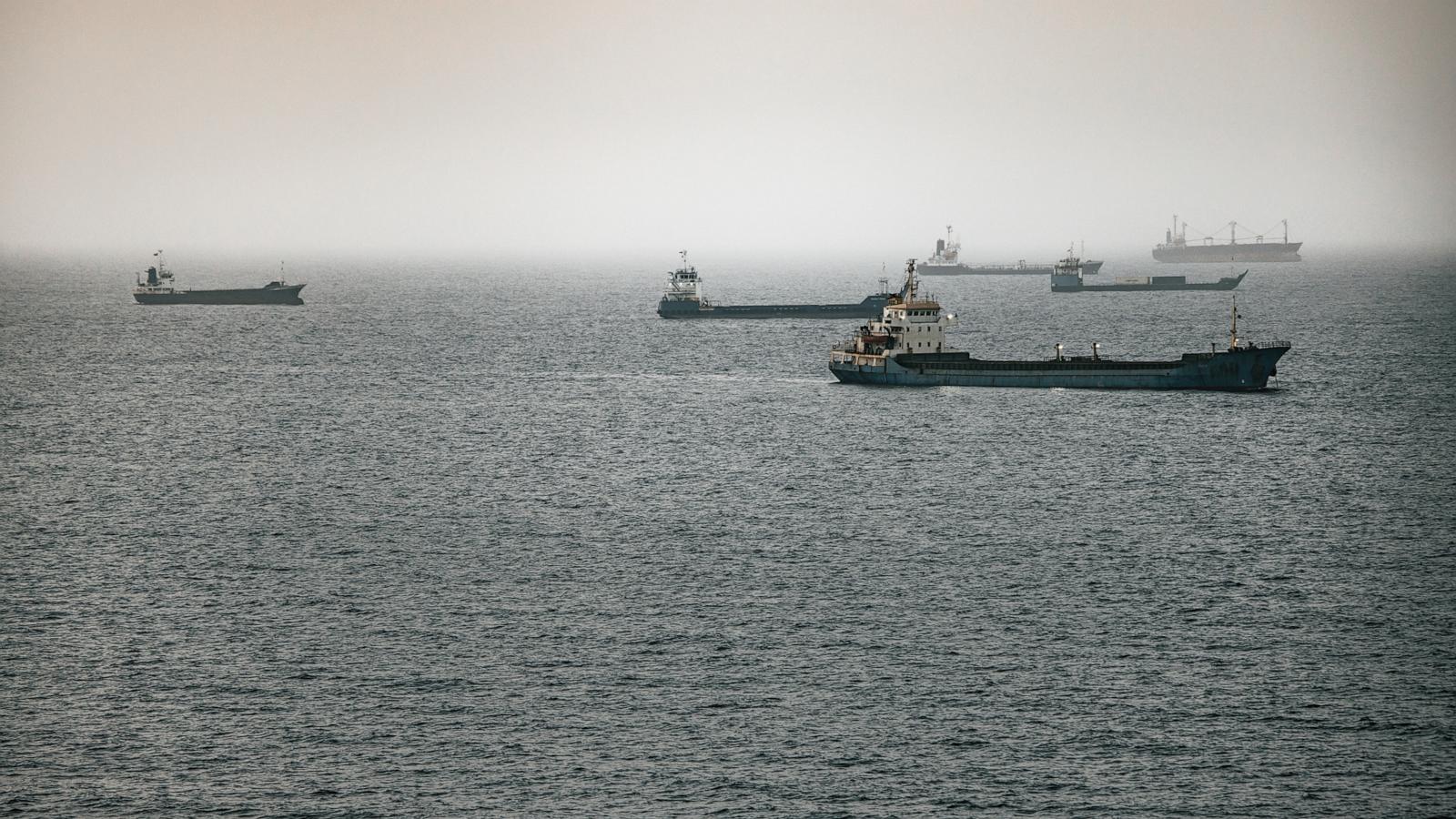
The Strait of Hormuz remains the biggest immediate concern. Reuters reported that only seven commodity vessels passed through the waterway on Monday, the lowest recent level recorded by Kpler.
At the same time, traffic through the Bab Al Mandeb increased, suggesting that some shipping activity may be shifting to alternative routes.
The UAE has already begun expanding alternative trade corridors, while Gulf energy producers are examining ways to keep exports moving despite the disruption.
For residents, the effects could eventually reach beyond financial markets. A prolonged shipping shock could influence fuel prices, air cargo, imported goods and inflation across the GCC.