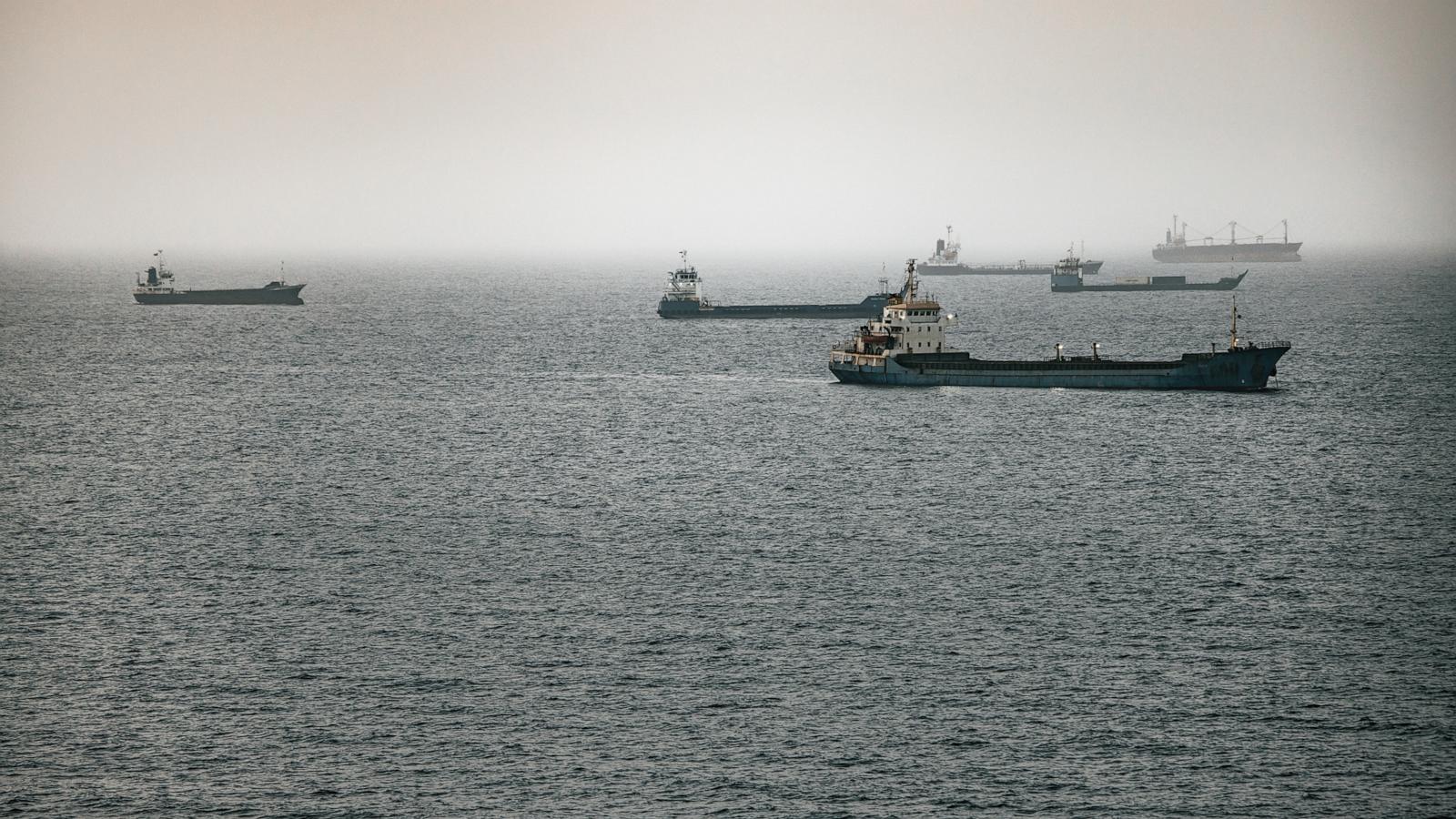

Shipping traffic through the Strait of Hormuz slowed at the start of the week as Iran warned that further US attacks could trigger retaliation against energy infrastructure in the Gulf.
Kpler data cited by Reuters showed seven commodity vessels passed through the waterway on Monday, down from eight the previous day.
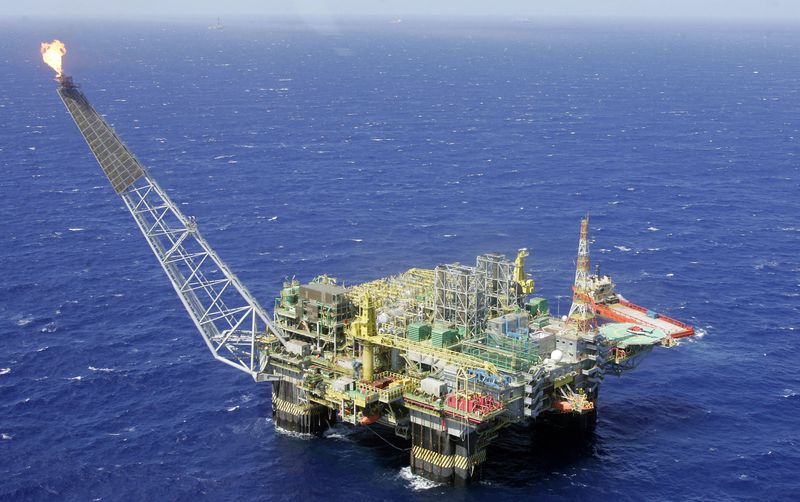
The Strait normally carries a significant share of the world’s seaborne oil trade, making even a gradual reduction in traffic a major concern for energy markets.
The disruption is already being reflected in oil-price expectations. Goldman Sachs has raised its forecasts for Brent crude, citing the possibility that Middle East shipping disruptions could persist into 2027.
Traffic through the Bab Al Mandeb has moved in the opposite direction, with 29 commodity vessels recorded on Monday compared with 17 the previous day.
The shift suggests shipping companies are actively reassessing routes as the Gulf security situation evolves.
For the GCC, the stakes are particularly high. The issue is no longer limited to oil exports; it also affects food imports, manufacturing inputs, consumer goods, insurance and the cost of moving cargo around the region.